
Four cheerful children sit at their desks in a bright classroom, raising their hands and smiling excitedly. Colourful books, art supplies, and decorations fill the room, creating a lively and welcoming atmosphere.

What if every classroom was designed for every mind?

Every educational institution strives to teach, but what if yours was a place where every learner—including those with intellectual or physical disabilities—was given equal opportunities to participate, achieve and truly thrive? This isn’t just about meeting compliance standards; it’s about creating a richer, more effective learning environment for everyone.
Inclusive education means actively dismantling barriers so that every student can access and benefit from their education. It’s about moving beyond simply having students with disabilities in a classroom to ensuring they are fully integrated, respected and empowered to contribute.
What if the skills and perspectives of every student were a core part of your school’s success?

The reality is, inclusive classrooms build more empathetic communities, improve learning outcomes for all students and better prepare everyone for a diverse world. When students with and without disabilities learn together, they all gain a deeper understanding of collaboration, resilience and respect.

Simple, Tangible Ways to Create a More Inclusive Learning Environment

It can feel overwhelming, but building a more inclusive culture starts with small, deliberate actions. What if you chose just one or two of these to implement this year?

1. What if you taught with everyone in mind?

  • Incorporate Universal Design for Learning (UDL) principles. Instead of just providing a textbook, what if you offered information through a captioned video, a hands-on activity, or an audio recording? This gives every student a chance to learn in the way that works best for them.
  • Use diverse learning materials. Ensure your teaching materials reflect a wide range of human experiences, including stories, art and histories of people with disabilities.
  • Simplify communication. Use clear, straightforward language in all instructions and documents. What if you used visual schedules or symbol-based communication alongside verbal instructions to support students with intellectual disabilities?

    2. What if you re-imagined your space?

    • Make your physical spaces accessible. Walk through your school as if you were in a wheelchair. Are ramps available and well-maintained? Are doorways wide enough? Are toilets easily accessible?
    • Create a sensory-friendly zone. What if you designated a quiet space in the classroom or library where a student could go to decompress if they feel overwhelmed? Simple tools like fidgets or noise-cancelling headphones can make a world of difference.
    • Provide necessary technology. What if every student had access to assistive technology, such as screen readers, text-to-speech software, or adapted keyboards?

    3. What if you built a stronger support network?

    • Partner with families and disability support services. Create a clear and welcoming pathway for families to share their feedback and for outside support services to collaborate with teachers. What if you had a scheduled, regular check-in with families to ensure their child’s needs are being met?
    • Launch a peer buddy program. Match students with disabilities with their peers to help them with social navigation, homework, or just to have a friendly face in the hallway.
    • Celebrate diversity. What if your school celebrated days like the International Day of People with Disability? This shows students that their experiences are valued and worth celebrating.

    Resources

    Australian Institute for Teaching and School Leadership (AITSL)aitsl.edu.au
    Department of Education – Inclusive Education – state-specific websites.
    AllPlay Learnallplaylearn.org.au

    Inclusion isn’t a one-off project; it’s an ongoing commitment that grows with every small action. What will you do today to help build a more inclusive educational environment?

    What if…

    you could be the difference?

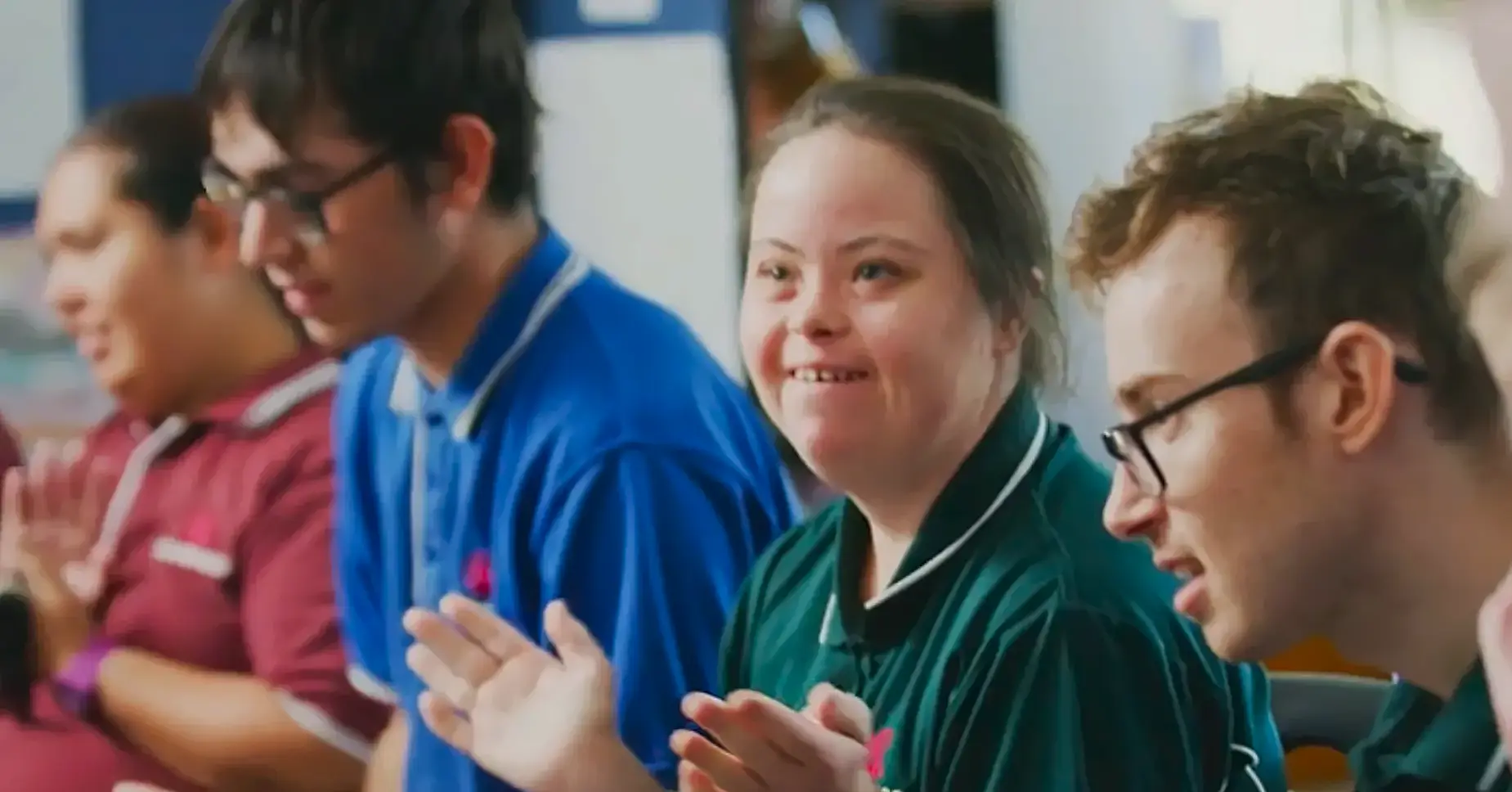
    A group of young people with disabilities, wearing coloured polo shirts, sit together and clap, smiling and enjoying themselves in a bright indoor setting—promoting inclusion in your community.