A diverse group of joyful children and an adult celebrate together, smiling, raising their hands, and surrounded by colourful decorative confetti, stars, and balloons. One child holds a tablet.

What if your workplace was built on contribution, not just capability?

Every workplace strives for productivity, but what if yours was a place where everyone, including those with intellectual or physical disabilities, felt not just accommodated, but truly valued for their unique contributions? This isn’t about charity; it’s a strategic pathway to a more innovative, engaged and successful business.

What if building a better community started with you?

An inclusive workplace is one where people of all backgrounds, abilities and identities can thrive. It’s an environment where differences are celebrated and where the skills, talents and perspectives of people with disabilities are actively sought out and integrated.

What if an inclusive team was your most valuable asset?

The reality is, a more inclusive workplace leads to stronger teams, better problem-solving and a more positive reputation. Employees feel a deeper sense of belonging, which boosts engagement and retention. It’s about tapping into an often-overlooked talent pool and gaining a competitive edge.

Simple, Tangible Ways to Build a More Inclusive Workplace

It can feel overwhelming, but building a more inclusive culture starts with small, deliberate actions. What if you chose just one or two of these to implement this quarter?

1. What if you changed the way you hire?

  • Use inclusive job descriptions. Avoid jargon and focus on the essential functions of the role. What if you specified “accommodations available upon request” to encourage a wider range of applicants?
  • Partner with disability employment services. Work with organizations that specialize in connecting businesses with job-seekers with disabilities. This can help you find talented candidates and provide essential disability support services during the hiring process.
  • Focus on skills, not just qualifications. What if you offered a trial period or a skills-based test instead of relying solely on a resume? This can help you uncover a person’s true potential.

    2. What if you made your environment more accessible?

    • Audit your physical and digital spaces. What if you physically walked through your office with a wheelchair or used a screen reader to test your website? This simple act can reveal accessibility issues you didn’t even know existed.
    • Provide assistive technology. Ensure that all necessary software and hardware are available. This could include screen readers, voice-to-text software, or ergonomic equipment.
    • Offer flexible work options. A hybrid or remote work schedule can be a game-changer for people who face physical or logistical challenges with commuting.

    3. What if you supported your team’s growth?

    • Create a buddy program. What if you paired new employees with an experienced team member to help them navigate the workplace culture and build confidence?
    • Provide training for all staff. Run workshops on topics like unconscious bias and cultural awareness. This helps everyone understand the value of diversity and create a more welcoming environment.
    • Seek out vocational opportunities. What if you partnered with local organisations to provide disability vocational opportunities or work experience programs? This gives people a chance to learn real-world skills and can be a pipeline for future hires.

    Resources

    Australian Human Rights Commissionhumanrights.gov.au
    Diversity Council Australiadca.org.au
    Workplace Gender Equality Agencywgea.gov.au
    Job Access –   www.jobaccess.gov.au

    Inclusion isn’t a one-off project; it’s an ongoing commitment that grows with every small action. What will you do today to help build a more inclusive workplace?

    What if…

    you could be the difference?

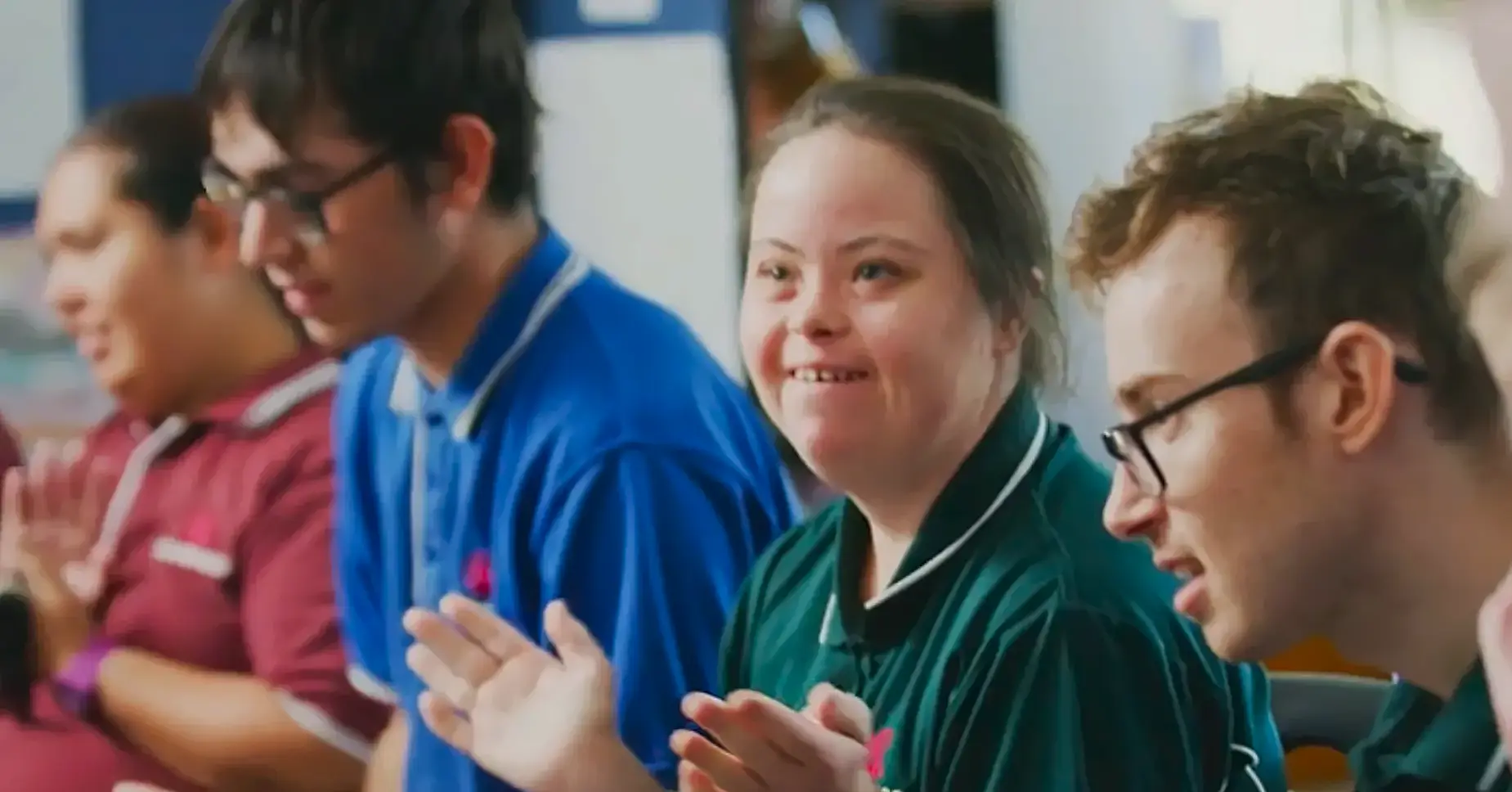
    A group of young people with disabilities, wearing coloured polo shirts, sit together and clap, smiling and enjoying themselves in a bright indoor setting—promoting inclusion in your community.