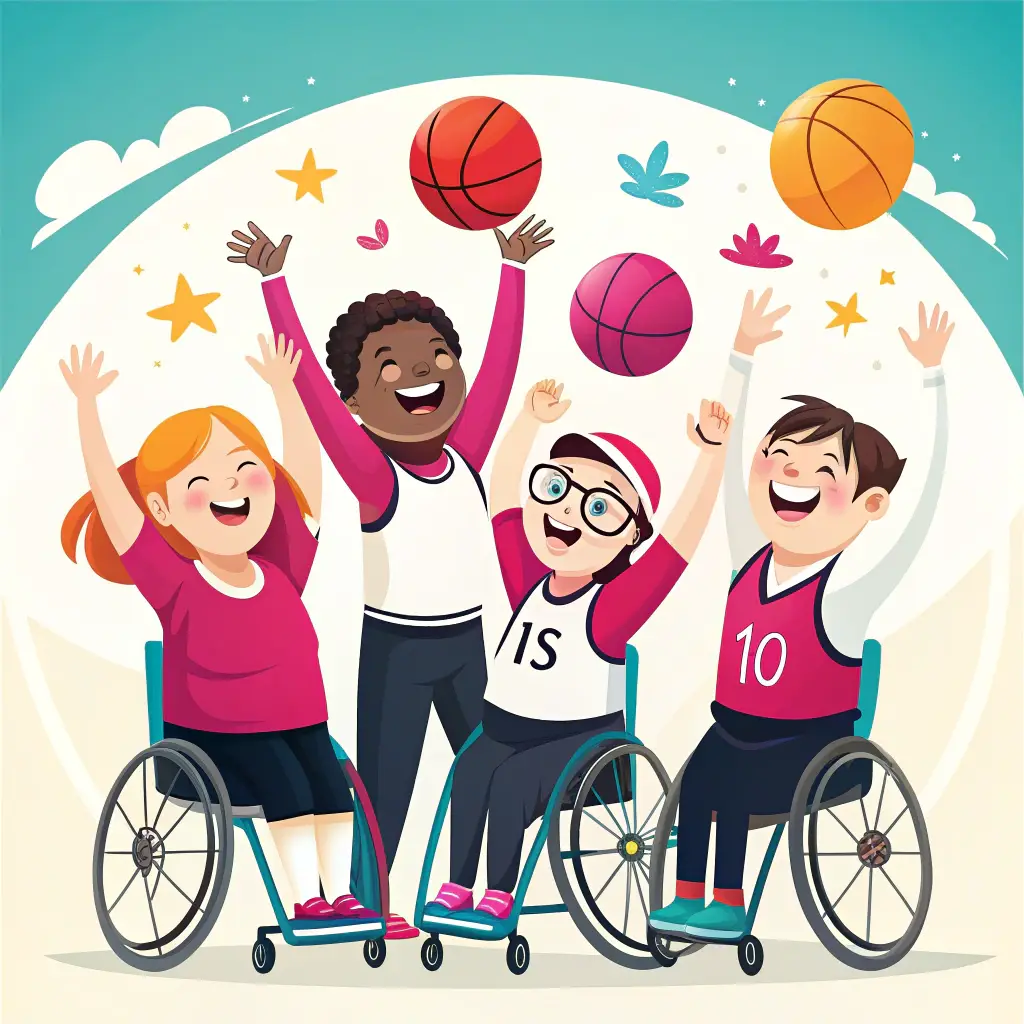
Four diverse children in wheelchairs celebrate joyfully, tossing basketballs in the air. They wear sports jerseys and smile under a bright, cheerful sky with stars, hearts, and flowers in the background.

What if your sports club became the benchmark for inclusion?

Every sports club talks about community, but what if your club became a place where everyone, regardless of intellectual or physical ability, felt not just welcome, but truly belonged? This isn’t just about ticking a box; it’s about making your club stronger, more vibrant and a genuine leader in your community.

Simple, Tangible Ways to Be More Inclusive

Inclusion isn’t a special program. It’s the simple act of making sure every single person—no matter their ability—can participate fully and feel respected. It’s the difference between being a club that has members with disabilities and a club where that diversity is celebrated and actively supported.

What if we flipped this the other way and your club was the beneficiary?

The reality is, a more inclusive club gets a broader membership base, attracts more players and supporters and builds a better reputation as a community leader. It also brings fresh perspectives and ideas, which can improve performance on and off the field.

It can feel overwhelming, but building a more inclusive culture starts with small, deliberate actions. What if you chose just one or two of these to implement this season?

1. What if you made it easier to get involved?

  • Offer “Come and Try” days for people with disabilities. Instead of just general recruitment, run a session specifically designed for individuals with intellectual or physical disabilities.
  • Create flexible membership options. What if you offered reduced fees or a casual participation pass for members with disabilities who can’t commit to a full season?
  • onnect with local groups. Partner with local disability support services or schools with special education programs to promote your club. What if you reached out to them and offered a free coaching clinic for their students?
    2. What if you changed the way you communicate?

    • Use inclusive language. Check your website and social media. Are you using words that everyone can understand and relate to? What if you featured a member with a disability in your next promotional video?
    • Feature diverse people. Make sure your club’s social media and promotional materials showcase the diversity that already exists in your community. Let people see themselves reflected in your club.
    • Provide a buddy system. For new members or those who need extra support, a simple buddy or mentoring system can make a world of difference.

    3. What if you thought differently about your facilities?

    • Walk the path of a person with a mobility challenge. What if you took five minutes to walk or roll through your club’s facilities in a wheelchair? Are there clear paths? Are toilets accessible?
    • Offer options. Simple things like providing gender-neutral change rooms or ensuring clear signage for all facilities make people feel seen and respected.
    • Explore new activities. Inclusion doesn’t have to be limited to traditional sports. What if your club started a walking group, a chess club, or a book club?

    Resources
    Play by the Rules – www.playbytherules.net.au
    Sport Australia – www.sportaus.gov.au
    Local council diversity and inclusion officer.

    Remember, inclusion is a culture, not a checklist. It’s a continuous journey that grows with every small action. What will you do today to create a more inclusive club?

    What if…

    you could be the difference?

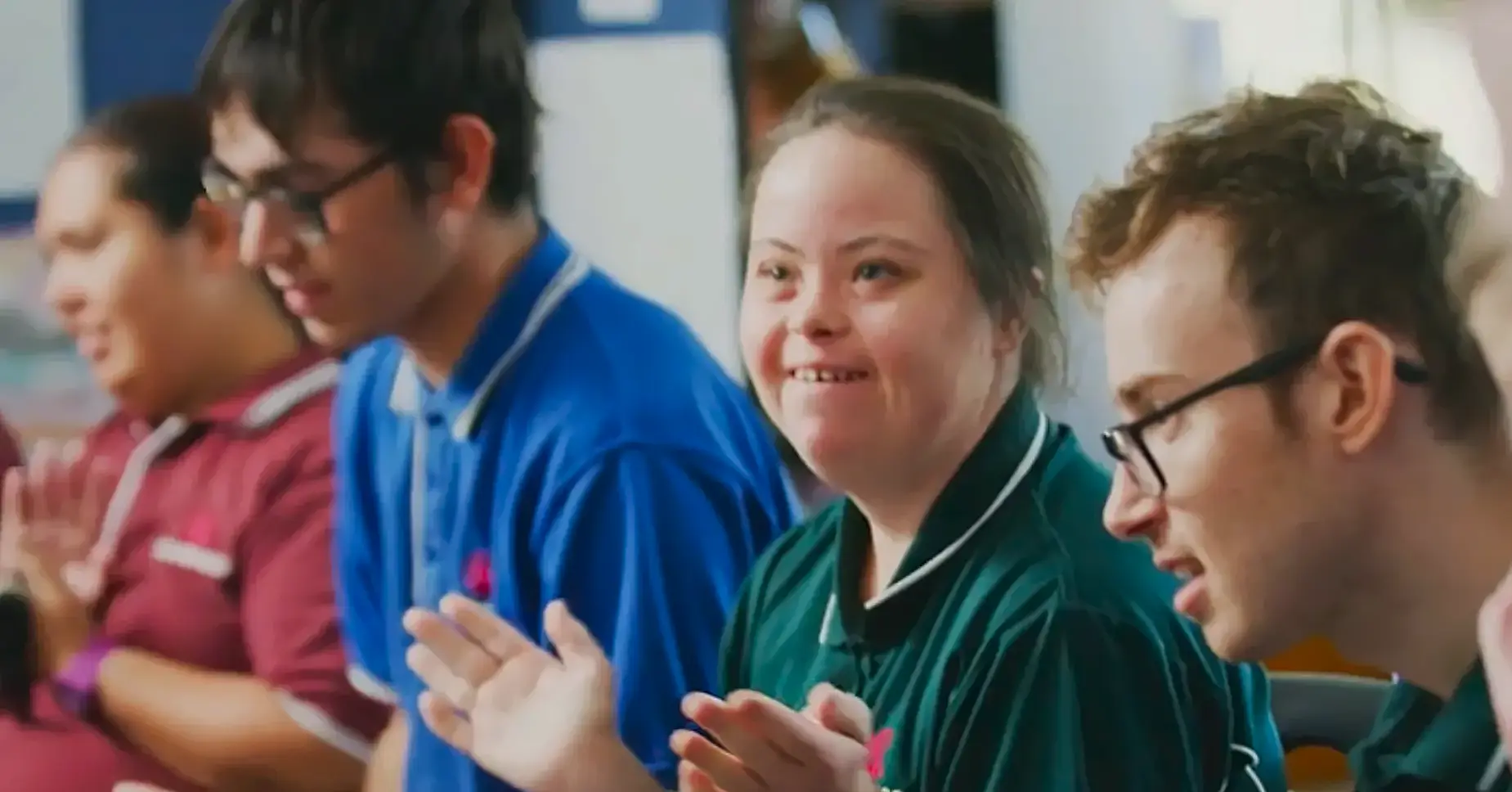
    A group of young people with disabilities, wearing coloured polo shirts, sit together and clap, smiling and enjoying themselves in a bright indoor setting—promoting inclusion in your community.