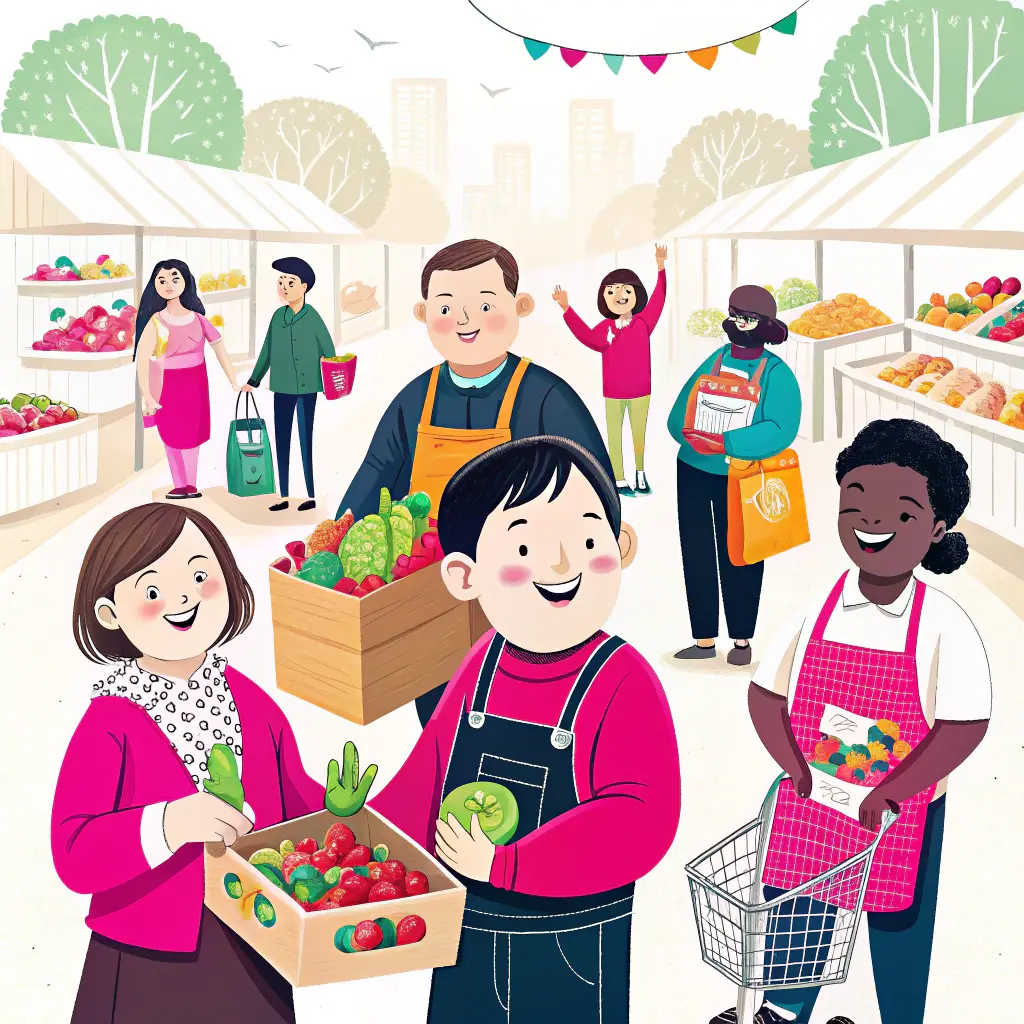
A diverse group of people shops at an outdoor farmers' market, smiling and carrying baskets of fresh fruit and vegetables, with colourful stalls and trees lining the background.

What if your community was built on belonging?

Every community has people living in it, but what if yours was a place where everyone—including those with intellectual or physical disabilities—felt a true sense of belonging? What if it was a community that was not just diverse, but genuinely inclusive? This isn’t a utopian vision; it’s a practical path to a stronger, more connected and more vibrant place for everyone.
An inclusive community is one where every person feels seen, heard and valued. It’s a place where differences are not just tolerated but celebrated as a source of strength. It’s about building connections that bridge gaps, reduce isolation and improve everyone’s well-being.
What if building a better community started with you?

You don’t need a committee or a big budget to make a difference. Inclusion is built through a series of small, intentional acts. What if you started with just one of these ideas this week?

1. What if you made a space more accessible?

  • Make public spaces physically accessible. Walk your local park, library, or community hall as if you were in a wheelchair or pushing a pram. Are there clear paths? Are ramps available and well-maintained? Can anyone, regardless of mobility, enjoy the space?
  • Create quiet zones at events. For community members with sensory needs, a loud, crowded event can be overwhelming. What if you designated a quiet space where people could take a break?
  • Offer events with everyone in mind. Consider holding low-cost or free events to ensure finances aren’t a barrier.

2. What if you changed the way you connect?

  • Communicate in plain language. When sharing information about local programs or events, avoid jargon. What if you translated key flyers or announcements into a simpler format?
  • Share information widely. Use social media, but also use community noticeboards and local radio, to reach people who may not be online.
  • Create a buddy system. What if you matched a newcomer with a long-time resident to help them navigate the community and feel more at home?

3. What if you celebrated everyone’s contributions?

  • Actively seek out diverse voices. When forming a committee for a community project, what if you intentionally invited people with disabilities to join? Their perspectives are invaluable.
  • Support social enterprises. Seek out and support local businesses that employ people with disabilities. This not only provides jobs but also fosters community participation and disability support services.
  • Celebrate awareness weeks. What if your community’s calendar included events for the International Day of People with Disability? This is a powerful way to show that every part of your community is valued.

Resources

Australian Human Rights Commissionhumanrights.gov.au
Inclusive Communities Network – inclusivecommunities.net.au
Local Council Community Services – contact your local government office.


Inclusion isn’t a destination; it’s a continuous journey. It’s built on a foundation of small, everyday choices to listen, welcome and support others. What will you do today to help build a more inclusive community?

What if…

you could be the difference?

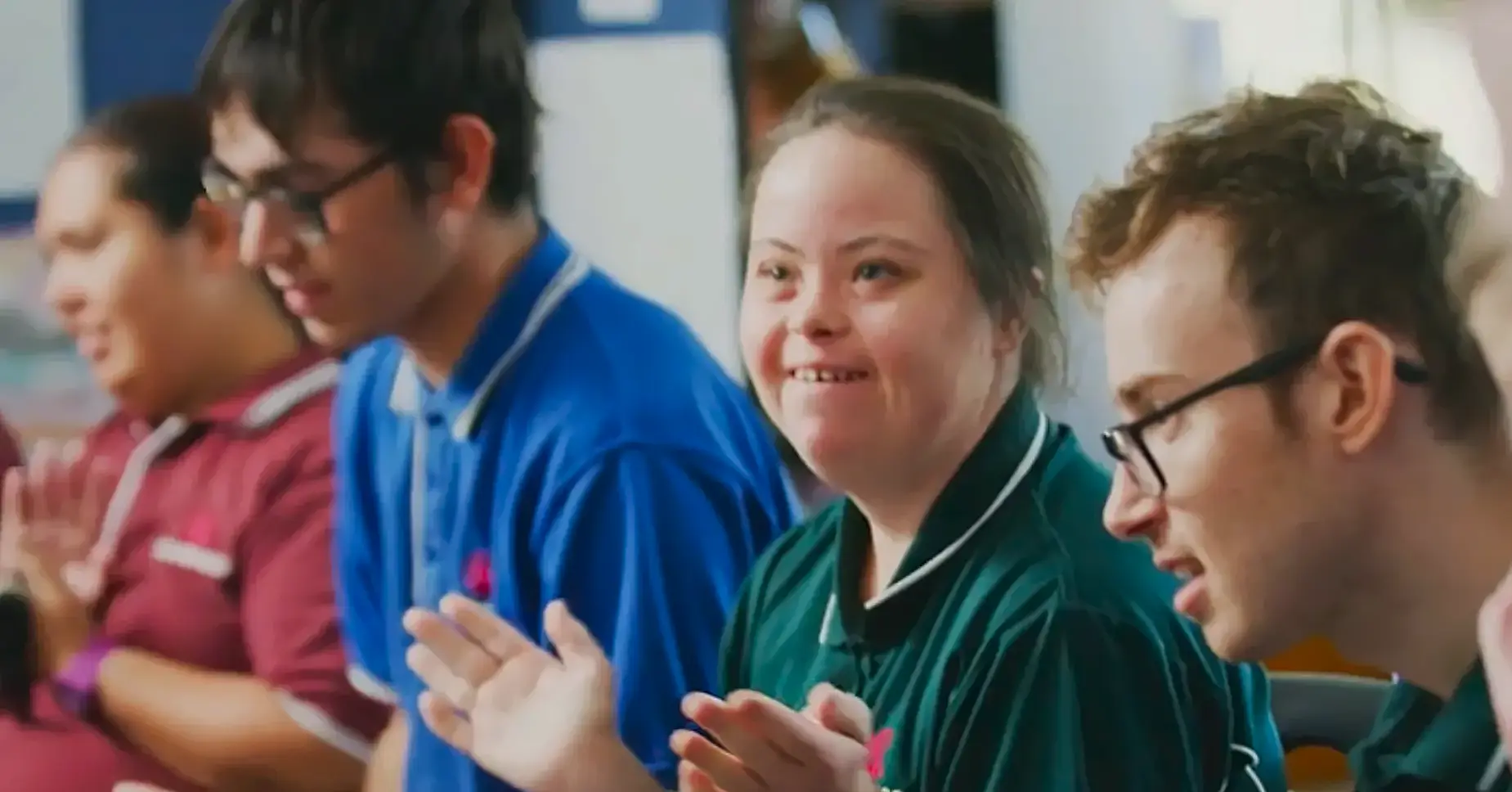
A group of young people with disabilities, wearing coloured polo shirts, sit together and clap, smiling and enjoying themselves in a bright indoor setting—promoting inclusion in your community.