Autism Spectrum Disorder is a neurodevelopment condition. Neuroplasticity, the brain’s ability to adapt and form new connections, is key. It offers a strength-based view, allowing tailored interventions to help individuals with autism thrive and build on their unique potential throughout life.
I often start talks on Autism with the statement that we are all somewhere on the spectrum. I certainly would have been diagnosed with autism as a young person had that been a thing back then. Autism Spectrum Disorder (ASD) is essentially a neurodevelopmental condition that can affect communication, behaviour and social interaction. One of the most promising aspects of more recent brain science, particularly for people with autism, is neuroplasticity – the brain’s ability to adapt, reorganize, and form new neural connections throughout life.
Importantly, neuroplasticity doesn’t mean “curing” autism—it means helping people to build on their strengths while addressing challenges. For example, a nonverbal child might, through intensive therapy and consistent sensory integration strategies, develop new communication pathways using augmentative devices or sign language. This shift represents not just learned behaviour, but actual neurological adaptation. We have seen this occur in adults attending Compass over the years.
Tailored interventions that exploit neuroplasticity can lower barriers and improve cognitive, emotional and behavioural outcomes for people with ASD. Research shows that the brain remains capable of significant change right through adulthood and this is important for all of us. Our brains will all respond differently, but not less effectively, to structured learning and targeted therapies.
Over time, repeated beneficial practices help the brain “rewire” itself, strengthening connections related to communication, emotional regulation, and motor control. Emerging therapies such as neurofeedback and mindfulness-based programs also capitalise on plasticity to enhance focus, reduce anxiety and build self-awareness.
Ultimately, neuroplasticity reinforces a strength-based view of autism. It acknowledges that while the autistic brain may be wired differently, it remains dynamic and capable of meaningful growth. With the right support and opportunities, neuroplasticity allows individuals with autism to thrive in ways that reflect their unique potential and abilities.
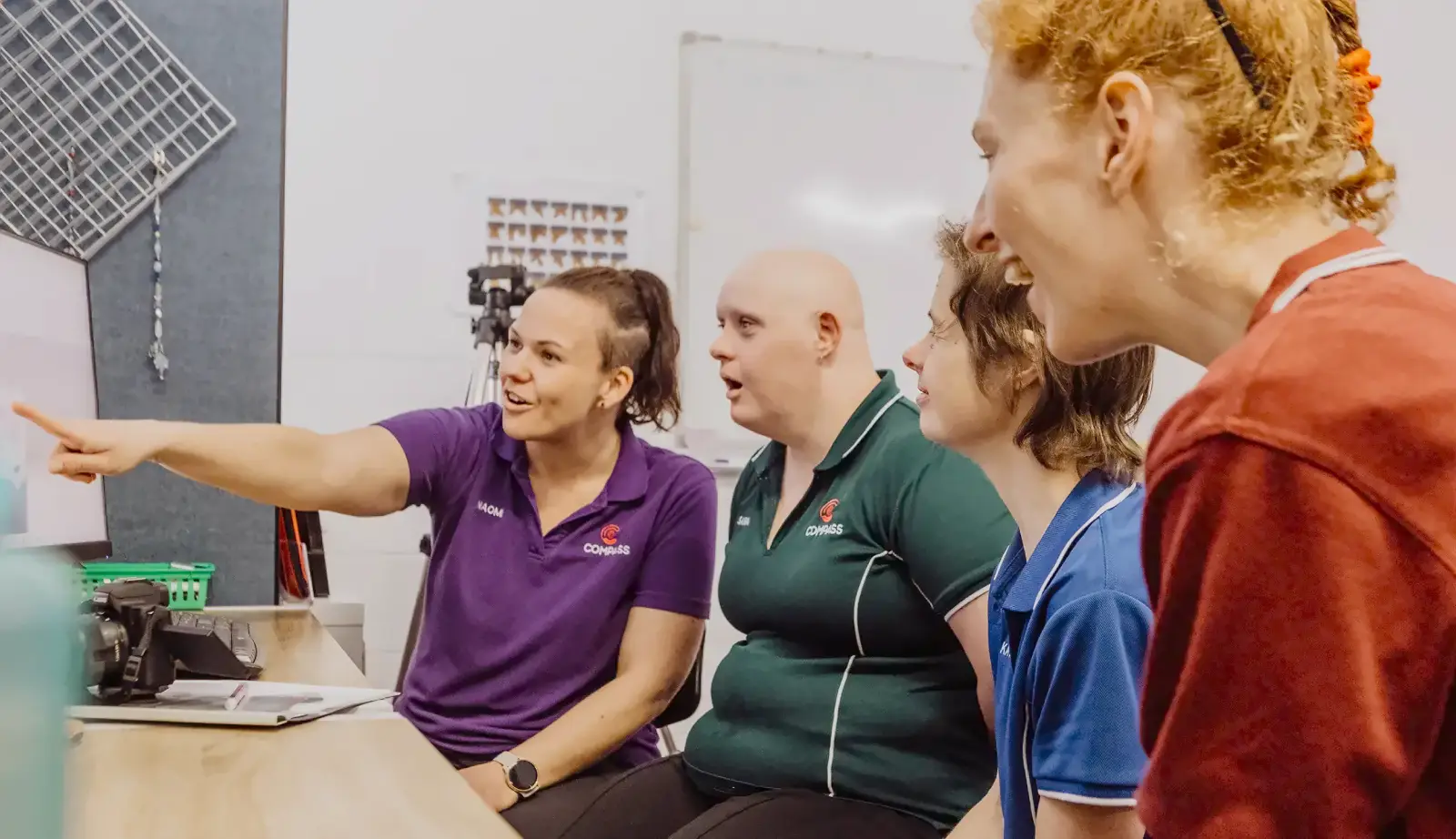
At Compass we specifically exploit this understanding of the brains’ capacity to rewire itself. Creating a Zen like atmosphere, modelling calm and mindful approaches, balancing stimulation and creativity with restfulness – and trading off the natural allies of nature – plants, animals, fresh air, exercise and sunshine. Throw in respectful human connection and you have a powerful combination.