
The Compass approach shifts the understanding of intellectual disability from a medical liability requiring welfare solutions to an educational/developmental issue based on the asset-based belief that all individuals, given structured learning opportunities rooted in international normalisation and SRV models, can achieve a valued role in their community.
So many people have asked me over the years about my study and work overseas and how that has influenced the Compass approach. So, in short…
The idea that intellectual impairment is a medical problem requiring medical intervention has been replaced by an understanding that intellectual disability is an educational/developmental issue. The core needs are for advocacy, flexible and individualised support and, above all, the continued provision of meaningful learning opportunities.
Key to this change was the recognition that people with an intellectual impairment are capable of learning many skills when structured opportunities are provided.
Influential in the change of thinking have been the normalisation theories of Wolfensberger (1972, 1983) and Nirje (1985). More recently, Social Role Valorisation (SRV) has further established the need for developmental and transitional models of service.
My experience is that even today in Australia there is the implicit assumption that Disability = Liability = Welfare solution. Compass is instead founded on an asset-based model. This presumes that all humans are assets and the key to unlocking those assets is a pathway of further education, skills-based learning and opportunity. No different to you and I. Importantly, that pathway needs to be structured – learning has to be individualised and planned. I recall sharing our lesson plans, assessments and reporting mechanisms to Disability Services Qld staff in 2004 who said “You know you don’t have to do any of this, don’t you?” My reply was to show them similar best-practice frameworks I was using overseas in the mid—1980’s. Australia was, and largely is, still lagging behind.
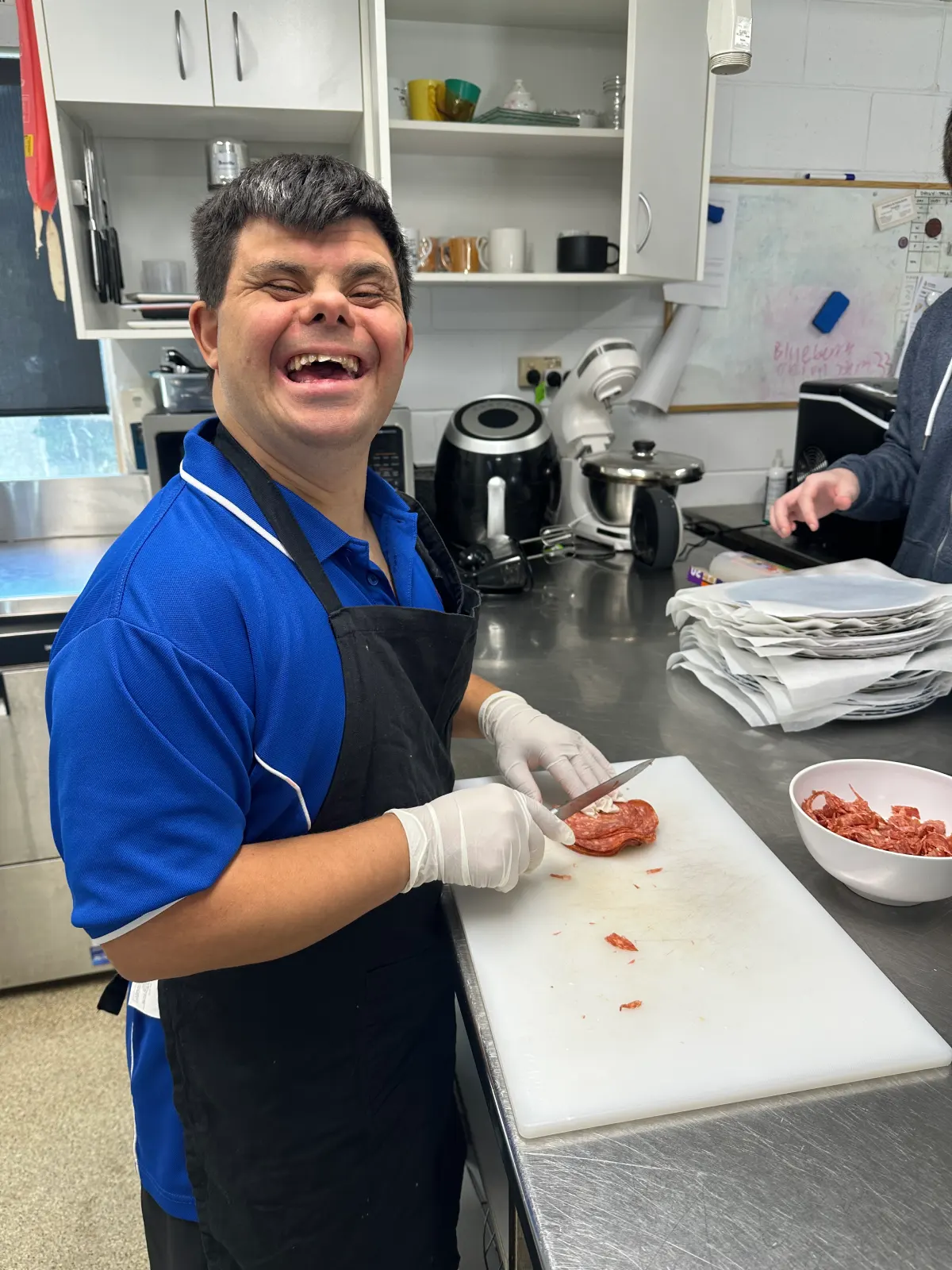
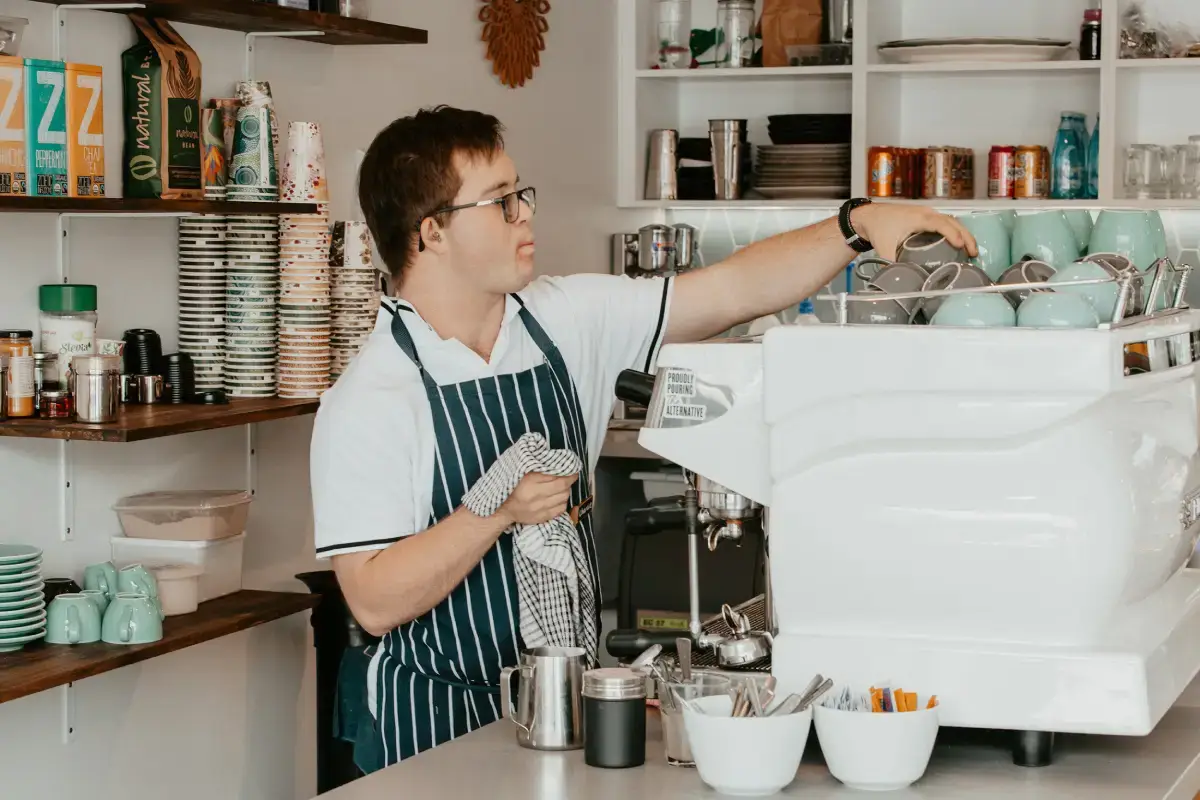
Learning can take many shapes. Learning to use a spoon to feed yourself… learning to regulate your emotions… learning to manage your behaviours… learning social skills…learning to create works of art… learning to be a valued team member on a Farm…. or in a Retail shop… or a Café.
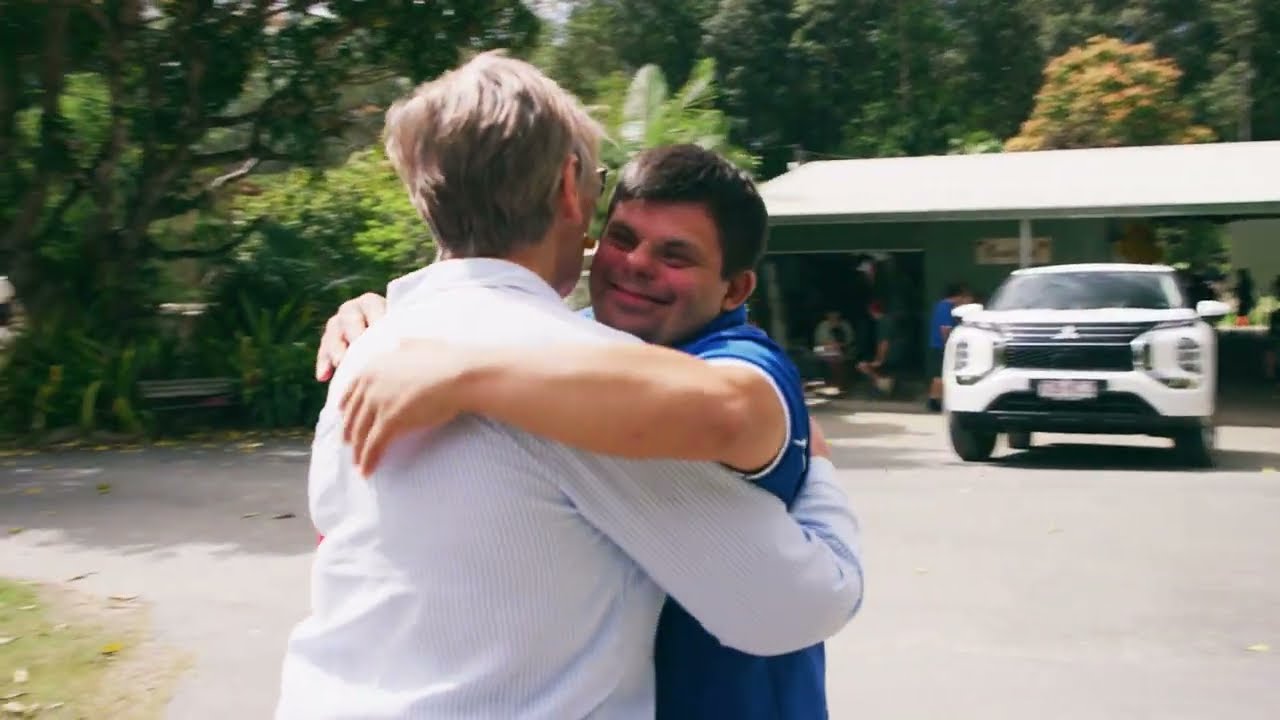
The sense of achievement and quiet pride from learning & achieving far outweighs the temporary pleasure of ‘having fun’. Through learning, ‘disability’ takes a back seat and the person becomes increasingly capable of taking a valued role in their family and their community.